Day 1 – Moscow: Welcome to the Heart of Russia
Your unforgettable Russian journey begins in
Moscow, the vibrant capital and the beating
heart of the nation. Upon arrival at the airport, you’ll be
warmly greeted and transferred to your hotel for check-in. The
rest of the day is yours to relax and soak in the atmosphere
of this magnificent city — where centuries-old history meets
dazzling modern life.
Stroll through the lively streets, admire the golden domes
glinting in the sun, and feel the energy of a metropolis that
has inspired poets, artists, and revolutionaries alike. Enjoy
your evening at leisure before beginning your grand discovery
of Russia’s treasures.
Overnight in Moscow.
Day 2 – Moscow: Walking Sightseeing Tour
Today, you’ll explore Moscow on foot — a perfect way to feel
the city’s rhythm and discover its timeless charm.
Begin your day at
Revolution Square Metro Station, one of the
most striking architectural masterpieces of the Moscow Metro.
Opened in 1938 and designed by the visionary architect
Alexey Dushkin, the station is a true
underground museum of Soviet art. Its graceful red and yellow
marble arches rest on black Armenian marble pylons, creating a
sense of grandeur and strength.
The highlight of the station is its
76 bronze sculptures, each representing the
proud citizens of the Soviet Union — soldiers, workers,
farmers, students, and artists — all immortalized in the
idealized style of socialist realism. Legend says that
touching certain statues brings good luck, a tradition locals
still follow today.
Grand Theatre (Bolshoi Theater)
Your walking tour continues to the magnificent
Bolshoi Theater, one of the most iconic
landmarks of Moscow and a true symbol of Russian culture.
Founded in the 18th century, the Bolshoi has long been the
cradle of Russia’s performing arts — where the world’s
greatest ballets and operas were born.
This grand neoclassical building, with its majestic columns
and glittering chandeliers, stands as a living monument to
Russia’s artistic excellence. The theater was once home to the
legendary
Ballet of the Moscow Imperial Bolshoi Theater, whose dancers and composers — including Tchaikovsky and
Glinka — shaped the history of classical ballet as we know it.
Even from the outside, the Bolshoi’s aura of elegance and
prestige is unmistakable — a place where every performance is
a celebration of beauty, grace, and tradition.
Red Square, Kremlin Walls, and Spasskaya Tower – The Heart of
Russia
No visit to Moscow is complete without standing on the
legendary Red Square, the historic and
spiritual center of the Russian nation. Surrounded by
architectural masterpieces, this vast square has witnessed
coronations, parades, and centuries of history.
Gaze upon the majestic Kremlin Walls and the
iconic Spasskaya Tower, crowned with its
famous ruby-red star and the chime of the Kremlin clock that
marks every hour with solemn precision. The Kremlin, whose
origins date back to the 15th century, is not
only a fortress but also the cradle of Russian statehood — a
place where power, religion, and culture have intertwined for
centuries.
Here you will also see the Lenin’s Mausoleum,
an enduring symbol of Russia’s complex and fascinating past.
For millions around the world, the Kremlin and Red Square
represent the very soul of Russia — a meeting point between
its imperial glory, revolutionary spirit, and modern pride.
St. Basil’s Cathedral – The Jewel of Red Square
Standing proudly at the southern end of Red Square, the
St. Basil’s Cathedral is the most
recognizable symbol of Russia and a masterpiece of world
architecture. Officially known as the
Cathedral of the Intercession of the Most Holy Theotokos on
the Moat, it was built in the 16th century by order of
Ivan the Terrible to commemorate the victory
over Kazan.
Its dazzling, colorful onion domes and whimsical shapes seem
to come straight from a fairytale, making it one of the most
photographed landmarks in the world. To Russians,
St. Basil’s Cathedral holds the same
significance as the Eiffel Tower does to the French — a proud
emblem of national spirit and artistic genius.
Every dome tells a story, and every brick whispers the history
of a powerful empire that shaped the course of centuries.
(Entry fee is not included.)
Zaryadye Park – Nature Meets Modern Moscow
Just a short stroll from Red Square lies
Zaryadye Park, one of Moscow’s most modern
and innovative attractions. Opened in 2017,
it transformed a historic area into a green oasis that
beautifully blends nature, architecture, and technology.
Here, you can explore landscapes representing the diverse
flora of all Russia’s regions — from tundra
and steppe to forest and meadow — all harmoniously recreated
in the very heart of the capital. The park’s highlight is the
breathtaking Floating Bridge, a futuristic
structure that soars over the Moskva River, offering panoramic
views of the Kremlin and the city skyline.
Zaryadye Park is a symbol of a new, forward-looking Moscow —
where the country’s rich history and vibrant future coexist in
perfect balance.
GUM Department Store – The Elegant Heart of Moscow
Shopping
Facing Red Square with its magnificent glass-roofed façade,
the GUM Department Store is one of Russia’s
most beautiful and historic shopping arcades. Built
over 126 years ago, this architectural gem
has become an enduring symbol of Moscow’s elegance and
prosperity.
Inside, GUM enchants visitors with its grand galleries, marble
floors, and stunning skylights — a perfect blend of
19th-century splendor and modern luxury. Today, it welcomes
over 60,000 visitors every day, offering a
mix of world-famous brands, cozy cafés, and the timeless charm
of old Moscow.
Whether you come to shop, stroll, or simply admire its beauty,
GUM captures the spirit of Russia’s capital — graceful,
lively, and full of history.
Nikolskaya Street – The Soul of Old Moscow
Just steps away from Red Square,
Nikolskaya Street is one of Moscow’s oldest
and most charming thoroughfares. Stretching from Red Square to
Lubyanka, this historic street lies in the
Tverskoy district, within the area once known
as ChinaTown (Kitay-Gorod) — one of the
city’s most ancient quarters.
Once home to monasteries, printing houses, and merchants’
shops, Nikolskaya has transformed into a vibrant
pedestrian avenue, glowing with lights and
full of life day and night. Today, it is a favorite gathering
place for locals and travelers alike, lined with elegant
boutiques, restaurants, and beautifully restored facades.
With its festive atmosphere and deep historical roots,
Nikolskaya Street perfectly captures the
cultural spirit of Moscow — a seamless blend of past and
present.
KGB Building – The Legendary Lubyanka
On Lubyanka Square, in the heart of Moscow,
stands one of the city’s most infamous and historically
significant landmarks — the KGB Building.
Once the headquarters of the Soviet Union’s most powerful
security service, the KGB, and its associated
prison, this imposing structure holds countless stories from
the nation’s turbulent 20th century.
Built in 1897 by architect
Alexander Ivanov in grand
Neo-Baroque style, the building was later
expanded by Aleksey Shchusev between 1940 and
1947, giving it the monumental look it bears today. Its
yellow-brick façade has become a symbol of
Soviet power and secrecy, evoking both fear and fascination.
Today, the Lubyanka remains a striking reminder of Russia’s
complex past — a place where history, politics, and mystery
intertwine in the very fabric of its walls.
Tverskaya Street – The Pulse of Modern Moscow
Tverskaya Street is one of Moscow’s grandest
and most dynamic avenues — a vibrant artery that connects the
city’s rich past with its cosmopolitan present. Stretching for
about 1.6 kilometers, it is lined with
elegant architecture, luxury boutiques, theaters, and historic
landmarks.
Once the main road leading from Moscow to the city of Tver,
this boulevard has witnessed centuries of transformation.
During the Stalin’s era, much of it was
rebuilt in monumental style, yet several
original 18th- and 19th-century buildings
still stand proudly among the modern facades, preserving the
charm of old Moscow.
Today, Tverskaya is a lively blend of history, culture, and
style — where Muscovites stroll, shop, and dine, surrounded by
the rhythm and energy of the Russian capital at its finest.
Manezhnaya Square – Where History Meets Modern Life
Located next to the
Alexander Garden, Manezhnaya Square is a
historic and bustling heart of Moscow. The square takes its
name from the Manege building, constructed in
1817, which originally served as a riding academy and later
became a venue for
grand exhibitions and antique salons from
1957 onward.
In 1995, the square underwent a major
transformation with the construction of the
“Okhotny Ryad” underground shopping center,
blending modern convenience with the historic charm of the
area. Today, Manezhnaya Square is a lively meeting place for
locals and tourists alike, offering panoramic views of the
Kremlin, luxurious shopping, and a vivid sense of Moscow’s
past and present intertwined.
Alexander Garden – A Tranquil Oasis by the Kremlin
Nestled along the
western wall of the Kremlin, Alexander Garden
offers a peaceful escape in the heart of bustling Moscow.
Designed in the early 19th century by the
Russian architect Osip Bove, the garden is
named in honor of Emperor Alexander I and has
since remained a symbol of elegance and serenity.
The garden stretches along the former riverbed of the
Neglinnaya River, now flowing quietly
underground, creating a unique blend of natural beauty and
urban history. Visitors can stroll among tree-lined paths,
admire carefully tended flowerbeds, and soak in the calm
atmosphere while overlooking the grandeur of the Kremlin walls
— a perfect place to reflect on Moscow’s rich past amid its
vibrant present.
The Kremlin – Heart of Russian History
The Kremlin is the historic and political heart of Russia, a
majestic fortress that has witnessed centuries of Russian
history. At its center lies Cathedral Square,
a breathtaking ensemble of churches and cathedrals from the
15th to 18th centuries, where the lives of
grand princes and tsars began and ended.
Explore iconic treasures such as the
Tsar Bell and the
Tsar Cannon, marvel at the
Grand Kremlin Palace, and see the political
and governmental buildings that continue to shape Russia
today, including the Senate and the
Palace of Congresses. The
Arsenal, the Kremlin walls, towers, and the
soaring Bell Tower all reflect the power,
artistry, and strategic genius of medieval Russia. Visiting
the Kremlin is like stepping into a living history book, where
every corner tells the story of a nation.
Overnight in Moscow.
Day 3 – Moscow: Sightseeing by Car/Bus
Start your day with a scenic drive through Moscow’s most
picturesque streets and landmarks. Your first stop is the
Patriarch Bridge, a modern pedestrian bridge
completed in 2004 by architect Posokhin and sculptor
Tsereteli. Stretching gracefully over the Moskva River, the
bridge offers stunning views of the Cathedral of Christ the
Savior, one of Russia’s most iconic churches.
The bridge has also become a romantic hotspot — young couples
leave “Lover’s Locks” here to celebrate their love, creating a
charming tradition that adds to the bridge’s lively
atmosphere. Capture the perfect photo, admire the river views,
and enjoy the blend of modern design with Moscow’s historic
skyline.
Continue your city tour by bus, exploring more of Moscow’s
famous landmarks and vibrant neighborhoods.
Cathedral of Christ the Savior – Moscow’s Majestic
Landmark
Rising in shimmering white stone and golden light, the
Cathedral of Christ the Savior dominates Moscow’s skyline, a
symbol of faith, resilience, and national pride. Though it
appears ancient, the current cathedral is a modern
reconstruction, completed in 2000 to honor the original church
that was tragically demolished in 1931 on Stalin’s orders.
Believed to be the largest Orthodox church in the world, the
cathedral captivates visitors with its soaring domes,
intricate frescoes, and richly decorated interiors. It stands
as a living testament to Russia’s spiritual and cultural
heritage, offering a space for reflection, awe, and admiration
for centuries of devotion.
Novodevichy Convent – A Jewel of Moscow Baroque
Located in southwestern Moscow, the Novodevichy Convent is a
stunning example of Moscow Baroque architecture, built during
the 16th and 17th centuries. This historic convent has played
a key role in Russia’s political, cultural, and religious
life, maintaining close ties with the Moscow Kremlin
throughout history.
Its peaceful grounds also house the Novodevichy Cemetery, the
final resting place of many members of the Tsar’s family,
nobles, and notable figures in Russian history. With its
elegant golden domes, fortified walls, and tranquil
atmosphere, the convent offers a unique glimpse into Moscow’s
spiritual and historical heritage.
Victory Park – Honoring Russia’s Heroes
Perched atop Poklonnaya Hill, one of the highest points in
Moscow, Victory Park is a grand memorial complex dedicated to
the Great Patriotic War (World War II). The hill’s name,
meaning “Bow Hill,” recalls a historic tradition: travelers
approaching Moscow from the west would climb here to admire
the city and bow in respect.
The park combines sweeping landscapes, striking monuments, and
museums that tell the story of Russia’s courage and sacrifice
during the war. Visitors can enjoy panoramic views of Moscow
while reflecting on the heroism and resilience that shaped the
nation, making Victory Park both a place of remembrance and
inspiration.
New Arbat Street – Modern Vibes in Moscow
While Old Arbat Street charms visitors with its historic
pedestrian atmosphere, New Arbat Street offers a vibrant
contrast as one of Moscow’s bustling modern avenues.
Stretching through the city center, it is lined with
contemporary buildings, shops, restaurants, and entertainment
venues, making it a hub of urban life.
The street is perfect for a leisurely drive or stroll,
allowing visitors to admire Moscow’s dynamic architecture,
neon-lit façades, and lively city energy. New Arbat reflects
the modern pulse of the capital, blending shopping, dining,
and culture in one of Moscow’s most popular thoroughfares.
Sparrow Hills – Panoramic Views of Moscow
Perched on the banks of the Moskva River, Sparrow Hills (or
Vorobyovy Gory) is one of Moscow’s highest and most scenic
vantage points. Rising 720 feet above the city, it offers
breathtaking panoramic views of Moscow’s sprawling skyline,
historic landmarks, and the winding river below.
The famous observation platform on the steep hill is a
favorite spot for photographers, couples, and visitors seeking
to capture the city in all its grandeur. Surrounded by lush
greenery, Sparrow Hills combines natural beauty with urban
vistas, making it a must-visit highlight of Moscow.
Stalin’s Skyscrapers – The Seven Sisters of Moscow
Dominating Moscow’s skyline, the Seven Sisters are a striking
collection of skyscrapers built under Stalin to symbolize the
modernity, ambition, and triumph of Soviet Russia. For
decades, they were the tallest buildings in Europe, showcasing
the power and vision of the era through monumental
architecture.
Each of the seven skyscrapers, with its ornate Gothic-inspired
design, towering spires, and intricate detailing, stands as a
testament to Soviet engineering and urban planning. Scattered
across the city, these iconic structures draw the eye from
miles away, offering a glimpse into Moscow’s bold
architectural heritage and the grandeur of its past.
White House – Seat of Russian Government
The White House, officially known as the Government of Russia
Building, is the home of the Russian Parliament and a symbol
of the nation’s political life. Designed by architects Dmitri
Nikolaevich Chechulin and P.P. Shelter, its construction began
in 1965 and was completed in 1981. Rising 119 meters above the
Moskva River, the White House stands prominently on the
river’s opposite bank from the Hotel Ukraine, its sleek,
modern lines contrasting with Moscow’s historic architecture.
This iconic skyscraper represents the administrative heart of
Russia, where key decisions shaping the country are made.
Overnight in Moscow.
Day 4 – Moscow to Saint Petersburg: Journey to the Northern
Capital
After breakfast, check out from your hotel and transfer to
Moscow railway station for your ride on the Sapsan high-speed
train to Saint Petersburg. Relax and enjoy the scenic journey
through the Russian countryside as you travel northward to the
city of palaces, canals, and cultural splendor.
Upon arrival, you will be transferred to your hotel for
check-in. The rest of the day is at leisure — a perfect
opportunity to take a gentle stroll nearby, soak in the city’s
atmosphere, or simply rest after your journey.
Overnight in Saint Petersburg.
Day 5 – Saint Petersburg: Sightseeing by Car
Begin your exploration of Saint Petersburg with a visit to the
magnificent Kazan Cathedral. Constructed between 1801 and 1811
by the architect Andrei Voronikhin, this grand cathedral is
one of the city’s most impressive landmarks.
Designed on a scale inspired by St. Peter’s Basilica in Rome,
the cathedral features a sweeping stone colonnade that
encircles a tranquil garden and central fountain, creating a
sense of harmony and grandeur. Known for its spiritual
significance and architectural beauty, Kazan Cathedral is a
symbol of Russian Orthodoxy and a must-see highlight on your
Saint Petersburg tour.
Continue your sightseeing tour by car, discovering more of the
city’s historic and cultural gems.
Anichkov Bridge – Icon of Saint Petersburg
Next, visit the Anichkov Bridge, one of the oldest and most
iconic entrances to Saint Petersburg. Spanning the Fontanka
River along the famous Nevsky Prospekt, it is celebrated as
one of the city’s most beautiful and photographed bridges.
The bridge is adorned with magnificent sculptures of horses,
crafted with remarkable detail and energy, making it instantly
recognizable and unforgettable. Walking or driving across
Anichkov Bridge, you can admire not only its artistic charm
but also the vibrant life of Saint Petersburg flowing around
it — a perfect introduction to the city’s elegance and
history.
The Church on the Spilled Blood – A Monument to History and
Art
One of Saint Petersburg’s most striking landmarks, the Church
of the Savior on the Spilled Blood was built as a memorial to
Alexander II, the Liberator, on the very site of his
assassination. This architectural masterpiece is a dazzling
showcase of Russian artistry and devotion.
Inside, the church houses Russia’s largest collection of
mosaics, covering over 7,000 sq.m., crafted from Italian
colored marbles, decorative stones from the Urals and Altai,
and intricate Russian heraldic designs. Its colorful domes and
ornate details make it one of the most photographed and
admired sites in the city. (Entry fee is not included.)
Visiting this church is like stepping into a vibrant tapestry
of Russian history, art, and spirituality.
Palace Square – The Heart of Saint Petersburg
At the center of Saint Petersburg lies
Palace Square, a magnificent space cherished
by both locals and visitors. This historic square is the
architectural heart of the northern capital,
surrounded by elegant buildings designed by some of Russia’s
finest architects.
Dominating the square is the Winter Palace, a
masterpiece built in the
mid-18th century under the vision of
F.B. Rastrelli. The palace’s opulent façades
and the harmonious layout of the surrounding buildings create
one of the world’s most beautiful architectural ensembles,
reflecting the grandeur and history of imperial Russia.
Strolling through Palace Square, you can feel the city’s rich
past and its vibrant present converge in this iconic setting.
The Winter Palace – Jewel of Saint Petersburg
The Winter Palace is Saint Petersburg’s most
iconic landmark, dominating Palace Square and
the Neva River embankment with its grandeur
and elegance. For over three centuries, it has been at the
center of the city’s
political, cultural, and symbolic life,
serving as the residence of Russian emperors and the stage for
many historic events.
Its magnificent façades, opulent interiors, and stunning art
collections make the Winter Palace a
must-visit destination, reflecting the power,
artistry, and history of imperial Russia. Walking through its
halls, visitors experience the grandeur that has shaped the
soul of Saint Petersburg.
Neva Embankment – Saint Petersburg’s Photographers’
Paradise
Stretching along the Neva River, the
Neva Embankment is one of Saint Petersburg’s
most iconic and photographed locations. This scenic riverside
promenade is home to the city’s
main cultural landmarks, including the
Hermitage Theater and the
Winter Palace, making it the perfect spot to
admire the grandeur of the northern capital.
Along the embankment, visitors can also see the elegant
New Michael Palace and the
Marble Palace, as well as the
Saint Petersburg State University of Culture and
Arts
and the historic Summer Garden Fence. With
its stunning architecture, river views, and vibrant city life,
the Neva Embankment embodies the elegance and spirit of Saint
Petersburg.
Statue of Peter the Great – A Tribute to the Great
Reformer
Standing proudly along the Neva River, the
Statue of Peter the Great honors Russia’s
visionary ruler, the founder of Saint Petersburg. The monument
was commissioned by
Empress Catherine the Great, a German-born
monarch eager to emphasize continuity with her illustrious
predecessors.
The inscription on the statue reads
“Petro Primo Catharina Secunda” — “To Peter
the First from Catherine the Second” — in both Latin and
Russian, symbolizing the connection between two of Russia’s
greatest rulers. This striking monument celebrates Peter’s
legacy as a modernizer and a visionary, shaping the future of
the Russian Empire and the city he founded.
The Admiralty – Saint Petersburg’s Historic Landmark
One of Saint Petersburg’s earliest and most important
structures, The Admiralty was originally
built as a dockyard, reflecting the city’s
maritime heritage. The magnificent building that stands today
was constructed between 1806 and
1823 by the architect
Adrian Zakharov, showcasing elegant
Empire-style architecture and a striking
central spire.
Located at the heart of the city, the Admiralty not only
serves as an architectural masterpiece but also symbolizes
Saint Petersburg’s historical role as Russia’s
naval and maritime capital, connecting the
city’s past, present, and future.
St. Isaac’s Cathedral – The Crown of Saint Petersburg
Rising majestically over the city,
St. Isaac’s Cathedral is the
largest cathedral in Russia and one of Saint
Petersburg’s most remarkable landmarks. Built between
1818 and 1858 by the
French-born architect Auguste Montferrand,
the cathedral was designed to showcase the grandeur of the
Russian Empire.
Its gilded dome, visible from across the
city, continues to dominate the skyline, a symbol of faith,
artistry, and imperial ambition. With its richly decorated
interiors, massive columns, and breathtaking mosaics, St.
Isaac’s Cathedral remains a must-visit site for anyone wishing
to experience the splendor of Saint Petersburg.
Spit of Vasilyevsky Island – Iconic Rostral Columns
At the eastern tip of Vasilyevsky Island, the
Strelka (spit) is crowned with the famous
Rostral Columns, one of Saint Petersburg’s
most recognizable symbols. For over
two centuries, these towering columns have
formed an essential part of the city’s central panorama along
the Neva River, standing proudly alongside
landmarks like
Palace Bridge, St. Isaac’s Cathedral, the Admiralty, and
the Peter and Paul Cathedral.
The columns are particularly spectacular on major public
holidays, when torches are lit atop them, illuminating the
river and celebrating the city’s maritime history. The Spit of
Vasilyevsky Island remains a favorite spot for photographers
and visitors seeking the perfect view of Saint Petersburg’s
stunning skyline.
St. Peter and Paul Fortress – The Birthplace of Saint
Petersburg
The St. Peter and Paul Fortress may not have the fame of the
Hermitage or the Mariinsky Theater, but it is the original
cornerstone of Saint Petersburg and a true symbol of the
city’s history. Founded in 1703 by Peter the Great, it was the
first structure ever built in the city, marking the birth of
the northern capital.
Within its walls lie remarkable historic landmarks, including
the Peter and Paul Cathedral, the burial place of Russian
emperors, and the fortress itself, which has served as a
military base, prison, and museum. Visiting the fortress
offers a glimpse into the origins of Saint Petersburg and the
vision of the ruler who shaped Russia’s gateway to Europe.
The Cruiser Aurora – Symbol of the Revolution
The cruiser Aurora is one of Saint Petersburg’s most historic
naval monuments. Built between 1897 and 1900 by the New
Admiralty, it joined Russia’s Baltic Fleet in 1903 and quickly
became a symbol of the nation’s maritime strength.
Its most famous moment came during the October Revolution of
1917, when, on the night of October 25–26, the Aurora fired a
blank shot at the Winter Palace, signaling the start of the
uprising by workers, soldiers, and sailors. Today, the ship is
preserved as a museum and a powerful reminder of Russia’s
revolutionary history. (Entry fee is not included.)
Overnight in Saint Petersburg.
Day 6 – Saint Petersburg: Pushkin and Tsarskoe Selo
(Sightseeing by Car)
Today, you will visit Pushkin, the most charming suburb of
Saint Petersburg, surrounding the magnificent Tsarskoe Selo
estates. Renamed in honor of Russia’s greatest poet, Alexander
Sergeevich Pushkin, the town is rich in literary and
historical significance.
Explore sights connected to the poet, including a museum in
the former Imperial Lycee, where Pushkin studied, and stroll
through the grand parks and gardens of Tsarskoe Selo. This
estate, with its opulent palaces and beautifully landscaped
grounds, is a must-see attraction and can easily fill an
entire day with history, art, and natural beauty.
Catherine Palace – The Jewel of Tsarskoe Selo
Located within Tsarskoe Selo, the Catherine Palace is a
stunning symbol of Russian imperial grandeur. Named after
Catherine I, the wife of Peter the Great, it was originally a
modest two-story residence commissioned by Peter in 1717.
Over the centuries, the palace was expanded and lavishly
decorated, culminating in the famous Amber Room and opulent
halls that reflect the wealth, artistry, and power of the
Russian monarchy. Walking through the palace and its
surrounding gardens, visitors are transported into a world of
elegance, history, and royal splendor.
Night in Saint - Petersburg.
Day 7: Saint Petersburg – Murmansk
After breakfast, check out from your hotel and transfer to the
airport for your flight to Murmansk — the
largest city north of the Arctic Circle and a gateway to the
polar wonders of Russia.
Upon arrival, you’ll step into a land of dramatic landscapes
and rich wartime history. Founded in 1916 as a vital seaport,
Murmansk played a heroic role during World War II, serving as
the main supply route for the Allied forces. Today, it stands
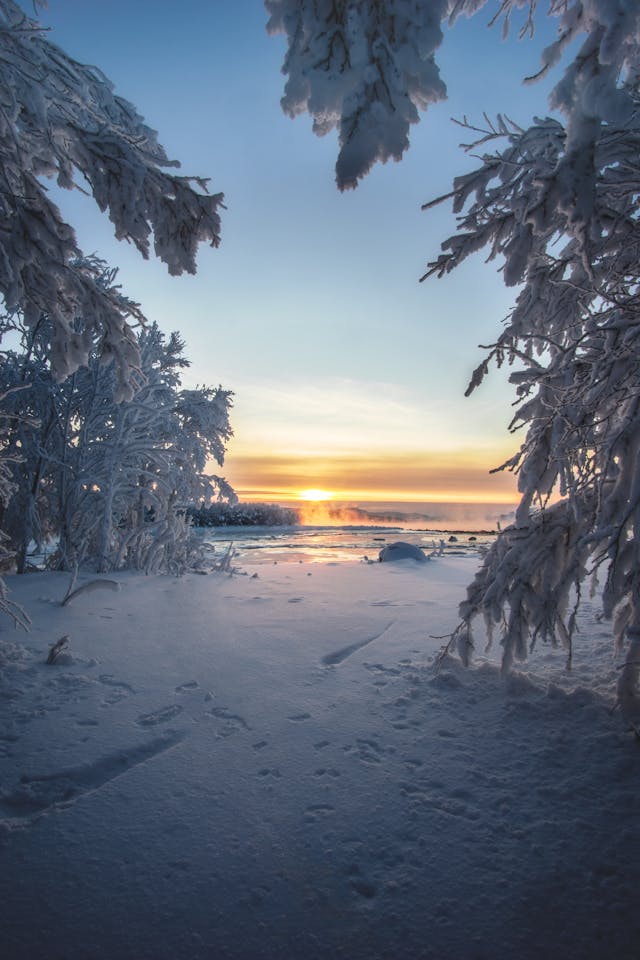
as a symbol of endurance, framed by snow-covered hills and the
icy waters of the Kola Bay.
As you arrive, breathe in the crisp Arctic air — you are now
in one of the northernmost cities on Earth, where the
Northern Lights dance across the sky in
winter and the Midnight Sun shines in summer.
Hunting for the Northern Lights
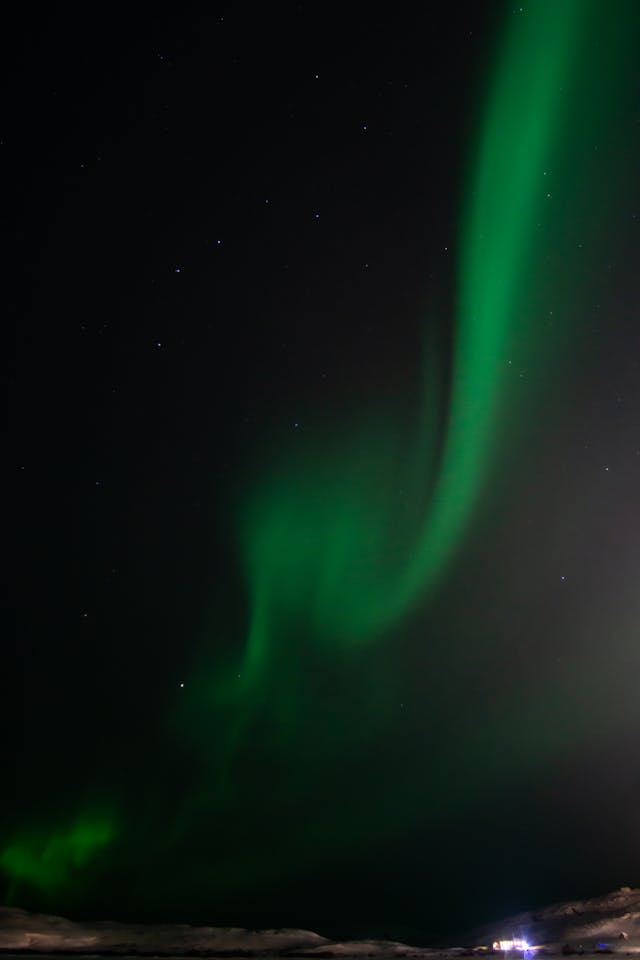
Witness one of nature’s most breathtaking spectacles — the
Northern Lights, or Aurora Borealis.
This mesmerizing phenomenon paints the Arctic sky with ribbons
of green, pink, and violet light, dancing like living flames
across the horizon.
Visible only in select corners of the world and at special
times of the year, the Northern Lights are a true gift of
nature — mysterious, unpredictable, and unforgettable. Each
sighting is unique, leaving a memory that stays with you
forever.
Join us on an evening adventure beyond the city lights, where
the silent Arctic landscape becomes the stage for this
celestial ballet — an experience that will make your journey
to Murmansk truly magical.
Night in Murmansk.
Day 8: Teriberka — Journey to the End of the World
Today’s adventure takes you on a spectacular drive through the
endless tundra to the village of Teriberka, a
remote settlement on the shores of the
Arctic Ocean.
Often called “the edge of the world,” Teriberka is a
place of raw beauty and striking contrasts — where the silence
of abandoned ships and weathered houses meets the wild majesty
of northern nature.
Here, dramatic cliffs rise above the ocean waves,
crystal-clear lakes glisten under the pale Arctic sun, and a
powerful waterfall tumbles directly into the sea. Every view
feels otherworldly, every moment — a step into the untouched
Arctic wilderness.
Teriberka is not just a destination; it’s an encounter with
the spirit of the North — harsh, poetic, and endlessly
beautiful.
Abandoned Ship Graveyard — Boat Trip
Step aboard for one of the most surreal and awe-inspiring
experiences of your Arctic journey — a boat trip to the
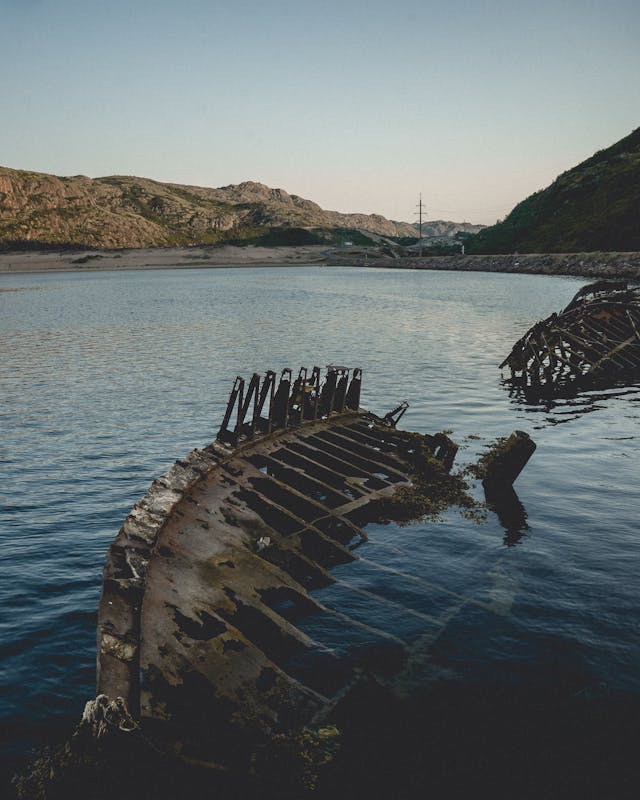
Abandoned Ship Graveyard, where time seems to have stopped.
Hidden along the rugged coastline of Teriberka lies a
mysterious bay filled with the rusting skeletons of old cargo
ships and fishing trawlers, their hulls slowly surrendering to
the icy waters. Once proud symbols of maritime power, these
vessels now stand as silent witnesses to the passage of time.
As you drift past these ghostly giants, the stillness of the
Arctic sea and the whisper of the wind create an atmosphere
both melancholic and magical. The scene feels like a moment
suspended between history and eternity — a haunting reminder
of how nature reclaims everything.
This is not just a boat trip — it’s a journey through
forgotten stories and frozen time, where every creak of the
metal tells a tale of the North.
Whale Watching — Encounter the Giants of the Arctic
As your boat glides through the icy Arctic waters,
keep your eyes on the horizon — you may be
lucky enough to witness one of nature’s most majestic
spectacles. Suddenly, the silence is broken by a powerful
splash — a
whale surfaces and exhales a towering plume of mist
into the crisp northern air.
In these remote, untouched waters,
humpback and orca whales are often seen
gliding gracefully between the waves, their immense bodies
shimmering in the pale Arctic light. Watching these gentle
giants breach and dive is an unforgettable experience — a
moment that connects you deeply to the wild, living pulse of
the ocean.
Here, at the edge of the world, you realize that even amid
shipwrecks and silence,
life thrives in all its raw beauty.
Batarei Sky Waterfall — Where the Lake Meets the Sea
Just a short distance from the icy shores of the Barents Sea
lies one of Teriberka’s most mesmerizing natural wonders — the
Batarei Sky Waterfall. Its source, the serene
Small Battery Lake, rests only a hundred
meters from the ocean. From here, a narrow stream rushes over
the edge of a cliff,
plunging dramatically into a deep gorge
before joining the roaring sea below.
The sight and sound of
freshwater merging with Arctic waves create a
scene of untamed beauty — wild, remote, and profoundly moving.
Standing here, surrounded by endless tundra and the sound of
crashing surf, you feel as if you’ve reached
the very edge of the Earth.
Dragon Egg Beach — The Mystical Shore of Teriberka
On the wild northern edge of Teriberka lies one of nature’s
most mysterious creations — Dragon Egg Beach.
Scattered along the shore are countless enormous, smooth, oval
boulders that seem almost otherworldly. Locals lovingly call
them “dinosaur eggs,” and it’s easy to see
why.
Shaped by centuries of wind, waves, and Arctic frost, these
massive stones create a surreal landscape that looks straight
out of a fantasy world. With the
Barents Sea stretching endlessly before you
and the cry of seabirds echoing through the tundra air, Dragon
Egg Beach feels like a place where
legends come alive — timeless, raw, and
hauntingly beautiful.
Night in Murmansk.
Day 9: Murmansk — Exploring the Arctic Gateway
Nuclear Icebreaker “Lenin” — Arctic Engineering
Marvel
Step aboard the Lenin, the world’s first nuclear-powered
surface ship and a true icon of Soviet engineering. Built in
Leningrad (St. Petersburg) in 1957 and commissioned in 1959,
this formidable icebreaker carved a path through the icy
waters of Russia’s Northern Sea Route, connecting the port of
Murmansk with remote settlements along Siberia’s Arctic coast.
For decades, the Lenin ensured safe passage for cargo vessels
in some of the harshest seas on Earth. Today, it stands as a
floating museum, offering visitors a rare glimpse into the
ingenuity, courage, and endurance required to navigate the
Arctic frontier.
Zelenyy Mys Hill and the “Alyosha” Memorial
Perched high on Zelenyy Mys Hill, the monumental statue known
as “Alyosha” stands guard over Murmansk and the Kola Bay.
Officially named The Memorial to the Defenders of the Soviet
Arctic during the Great Patriotic War, this towering figure
honors the bravery of Soviet soldiers, sailors, and airmen who
protected the Arctic front during World War II.
Standing 35 meters tall, Alyosha is not only a symbol of
courage and resilience but also one of the most iconic
landmarks in the Russian North. From the hilltop, visitors are
rewarded with breathtaking panoramic views of Murmansk — a
fitting vantage point to reflect on the region’s heroic past
and the enduring spirit of its people.
Monument “The Waiting Woman”
Gracefully overlooking the Kola Bay, the Monument “The Waiting
Woman” is one of the most touching and iconic symbols of
Murmansk. This sculpture was created in honor of the mothers,
sisters, wives, and daughters who have spent countless days
watching the horizon, waiting for their loved ones — sailors
and fishermen — to return safely from the sea.
The monument captures a moment of quiet strength and hope,
reflecting the deep emotional connection between the people of
Murmansk and the unforgiving Arctic waters. It stands as a
timeless tribute to love, patience, and resilience — a
reminder of all those who wait, often in silence, for a safe
homecoming.
Sami Village Experience
Step into the enchanting world of the Sami people, the
indigenous inhabitants of the Arctic. During this immersive
ethno-cultural program, you’ll visit an animal park where
friendly huskies and reindeer await, meet a Sami shaman in a
traditional tent, and take part in ancient Sami games.
Learn fascinating stories about the culture, traditions, and
way of life of the Sami settlements, and capture unforgettable
photos in colorful national costumes. Enjoy a 1 km reindeer
sleigh ride, taste authentic Arctic liqueurs (or tea for
children) in the shaman’s tent, try your skills at a crossbow
shooting range, and savor a hearty northern lunch featuring
fish soup, pancakes, and hot tea.
As night falls, get ready for the most magical adventure —
hunting for the Northern Lights, a once-in-a-lifetime
experience under the Arctic sky!
Night in Murmansk.
Day 10 — Ice Floating Experience
Step into the serene silence of the Arctic and experience one
of Murmansk’s most unique adventures — Ice Floating. Dressed
in a professional thermal survival suit, you will gently drift
in a natural ice hole carved into the frozen waters of the far
north.
Completely warm, safe, and buoyant, you’ll feel the weight of
the world melt away as you float amidst the crisp Arctic air
and shimmering ice. It’s a rare opportunity to reconnect with
nature, embrace the stillness, and feel the peaceful rhythm of
the polar world — an unforgettable moment of calm and wonder
Night in Murmansk.
Day 11 — Farewell to the Arctic — last glimpses of Murmansk’s
snow-covered landscapes
Check out from the hotel and transfer to the airport for your
flight to Moscow. Upon arrival, connect to your onward flight
to India. Departure with unforgettable memories of your Arctic
adventure and the beauty of Russia’s northern lights